Drain Unblocking
Faerie Glen
Drain unblocking in Faerie Glen means more than pushing a rod through. The blockage is cleared, the line is flushed until it flows freely, and the cause goes in writing, so you know whether it was fat, wipes, roots or something a camera should look at.
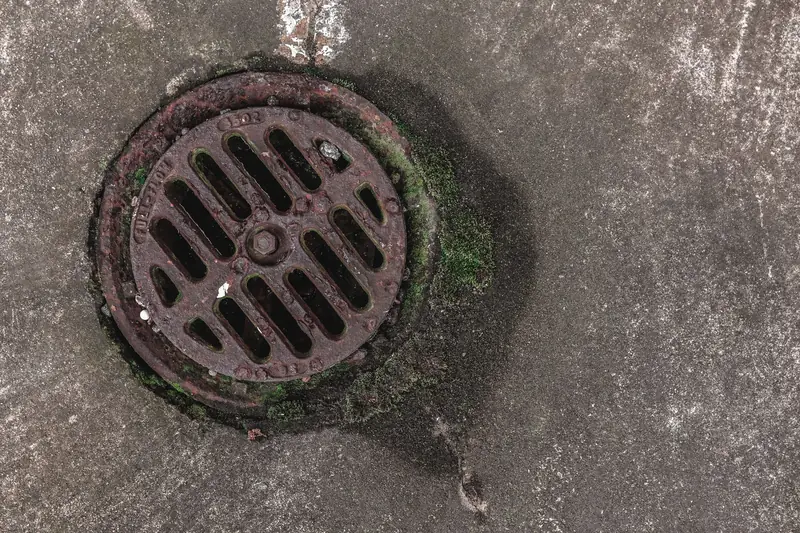
Where the water backs up shows where the blockage sits
The pattern of slow and overflowing drains points to a trap, the main line or the City’s sewer, and that also decides who pays.
One toilet or basin slow, the rest fine
The blockage is usually in that fitting’s trap or its branch pipe: hair, soap or too much paper at once. It sits on your property, so under Tshwane’s Sanitation By-laws clearing it is the owner’s cost.
Several fixtures backing up together
When the shower rises as the toilet flushes, the restriction is further down, in the main drain between the house and the boundary. Everything slowing at the same time points to the main line rather than one trap.
The outside gully overflowing
The gully is where the kitchen and bathroom waste pipes meet the drain outside, so overflow there means the line beyond it is restricted. If it only overflows in heavy rain, stormwater is probably getting into the sewer.
The blockage is past your boundary
A blockage in the City’s sewer has to be reported to the City immediately, to sewerblockages@tshwane.gov.za or 012 358 9999. Two hours of a plumber’s time on a council line is a bill you should never have to pay.
The kitchen sink slows after every big meal
Fat poured down a sink cools and hardens on the pipe wall, and each layer narrows the pipe until the sink stops draining. Tshwane’s by-law makes the owner responsible for not letting grease build up into a blockage.
One drain serving a duet or two houses
Where a drain carries the waste of two or more properties, the by-law splits the cost of clearing it equally between the owners served. In a duet it pays to know where your pipe joins the shared one.
Summer storms find every gully that sits too low
Pretoria gets most of its rain in summer storms. A University of Pretoria study of the Faerie Glen Nature Reserve notes that thunderstorms come frequently in the rainy season from October to March, and January, at 134 mm, is the wettest month on its figures. That is when a gully that coped all winter suddenly overflows.
The gully trap is built to keep surface water out of the sewer. SANS 10400-P sets its overflow at no less than 150 mm above the surrounding ground, or 50 mm above permanent paving, with the paving falling away from it. New paving, a raised flower bed or a resurfaced driveway can creep up around it until the gully sits almost flush.
Once that happens, a summer downpour runs straight through the grating into the drain. Tshwane’s Sanitation By-laws prohibit stormwater in the sewer, and the certificate a seller needs before transfer checks for exactly that. The drain is meant for waste water, and a garden’s worth of rain on top of it backs up at the lowest open point, which is the gully.
Gutters are the other way in. A downpipe that empties into the gully, or right beside it, sends roof water down the drain in every storm. The standard also allows one gully per municipal sewer connection, so a second gully added somewhere in the garden deserves a look as well.
So when a gully overflows during a storm, clearing the drain answers only half the question. The gully’s height against the paving, the downpipes near it and the grating are checked too, and you are told plainly if the drain itself is fine and the real problem is rain getting in where it should not. The fix for that is often a small one: raising the gully, cutting back the paving around it, or leading a downpipe away to the garden instead.
If your gully overflows only when it rains, measure it against the paving before paying to have the drain cleared again.
What happens on a drain call-out
What holds whether it is one basin or the main line to the street.
-
The right tool for what is in the pipe
Rods punch a hole through a blockage; a jetter scours fat and silt off the whole pipe wall. If the job calls for a jetter or a camera, you know before anyone sets out.
-
Flushed until it flows
A drain is not finished the moment the water level drops. It is run with water until it flows freely, so a half-cleared line does not leave with the plumber.
-
The cause on the invoice
Fat, wipes, roots, a broken section or a blocked council line. The cause is what decides whether the same drain blocks again a few weeks later.
-
Council lines go to the council
If the blockage turns out to be in the City’s sewer, you get the details to report it instead of an invoice for clearing a pipe that is not yours.
From an overflowing gully to a running drain
Three steps, and the price is agreed before the rods come out.
-
Say where it backs up
Which fixtures are slow, whether the gully overflows, and whether it only happens in rain. That points to the branch, the main line or the sewer.
-
Locate, then price
The access points are opened and the blockage is found. You hear the clearing price before any clearing starts.
-
Clear, flush and record
The line is cleared and flushed until it runs freely, and the cause is written on the invoice.
Blocked drain questions
Who is responsible for what, and what clearing costs.
What does a blocked drain cost to clear in Faerie Glen?
When must the City be told about a sewer blockage?
What is a gully trap?
Is jetting better than rodding?
Are flushable wipes safe for my drains?
Why does my drain keep blocking?
Who pays to clear a drain shared with the neighbours?
Will boiling water and soap shift a fatty drain?
Request drain unblocking in Faerie Glen
List the drains that are slow and say whether the gully overflows in rain. A reply follows to agree a time.
Where we work
- Faerie Glen
- Garsfontein
- Lynnwood Glen
- Moreleta Park
- Lynnwood
- Lynnwood Ridge
- Lynnwood Park
- Die Wilgers
- Equestria
- Wapadrand
- Olympus
- Constantia Park
- Waterkloof Glen
- Menlyn
- Silver Lakes
- Mooikloof
- Woodhill
- Murrayfield